Hallo liebe Gewächshaus- und Gartenfreunde! |
|
Über mehrere Jahrzehnte haben wir vielen Gewächshauskäuferinnen und Käufern Hinweise und Tipps gegeben, um ihr neues Hobby erfolgreich starten zu können.
Wir haben nachfolgend eine Aufstellung gemacht, um Ihnen ausführliche Informationen zu einigen Fragen rund um das Gewächshaus an die Hand zu geben. Wenn Sie Ihr Gewächshaus erworben haben, empfehlen wir uns als Ihr kompetenter Lieferant für das richtige Gewächshaus-Zubehör.
Bestimmt sind unsere Hinweise auch für einige Gewächshausbesitzer noch von Interesse.
|
|
 |
|
Licht, Wasser, Luft und Erde gelten seit der Antike als die vier Grundelemente, die das Leben in jeglicher Form bestimmen.
Umwelt und Natur haben einen wichtigen Platz in unserem Leben gefunden, natürlich auch in unserer Freizeit: Innerhalb Ihres Gewächshauses schaffen Sie einen Bereich, der sich in vielen Faktoren von den Freilandbedingungen unterscheidet.
Das Gewächshaus ist ein in sich geschlossener Lebensraum. Anders als “draußen”, wo Ihre Pflanzen den Launen der Natur ausgesetzt sind, bestimmen Sie hier selbst den Einfluss der Elemente. Nutz- oder Zierpflanzen, Gemüse, Früchte oder Blumen können so optimal gedeihen.
|
|
|
 |
Ein natürliches Verständnis und die intensive Auseinandersetzung mit der Pflanzenwelt vermitteln Freude an eigener Kreativität. Das Gewächshaus ist der ideale Ort, um sich sinnvoll und gezielt mit der Natur zu befassen. Erfolgreiches Gärtnern unter Glas setzt den gezielten Einsatz von zweck-mäßigem Zubehör voraus. Unser bewährtes Zubehör für alle Gewächshäuser begleitet Sie dabei durchs ganze Jahr. Und bei der richtigen Auswahl sind wir Ihnen natürlich gern behilflich. Langjährige Praxis, Erfahrung und Engagement sind unsere Stärke.
|
|
|
Gewächshaus: Größen und Ausführungen im Überblick.
Größen:
Ein Gewächshaus sollte mindestens 5 m² groß sein. Natürlich sind 8, 10 oder sogar 12 m² komfortabler, wenn dafür genügend Platz und Zeit vorhanden ist. In Kleingarten-Vereinen gibt es meist feste Regeln. Hier sollte man sich vor dem Kauf unbedingt erkundigen, welche Größe das Gewächshaus haben darf.
Ausführungen:
Wir empfehlen immer eine Aluminium-Konstruktion. Aluminium-Gewächshäuser von guter Qualität machen oft ein Leben lang Freude. Es gibt sie pulverbeschichtet in verschiedenen Farben oder Aluminium-blank.
|
|
 |
Kleingewächshäuser
Sie möchten in Ihrem Gewächshaus nur Gemüse und Kräuter vorziehen um früher ernten zu können? Dann sollten 5 m² Grundfläche für ein Gewächshaus ausreichen. Bei kleinen, einfachen Häusern tun es notfalls auch 4 mm Hohlkammer-Platten, wenngleich wir immer zu 6 mm raten. Achten Sie auch bei einfachen Ausführungen darauf, dass die Platten nicht geklebt, sondern mit Glasklammern befestigt werden.
Das erleichtert nachträgliches Auswechseln.Für die Rahmenkonstruktion reicht Aluminium ohne spezielle Beschichtung.Auf genügend Dachfenster (mindestens zwei) mit automatischen Fensteröffnern dürfen Sie jedoch selbst bei einem kleinen Haus nicht verzichten. Im Gegenteil: Je kleiner der Raum, desto schneller erhitzt und staut sich die Luft.
|
|
|
 |
Anlehngewächshaus
Ähnlich einem Wintergarten wird das Anlehngewächshaus an einer Hauswand errichtet und eignet sich besonders für schmale Gärten. Anlehngewächshäuser haben viele Vorteile: Weiße Hauswände reflektieren hervorragend das Licht, Steinmauern speichern die Wärme und geben sie über Nacht wieder ab. Die Wasser- und Stromversorgung ist viel einfacher zu bewerkstelligen als bei einem Gewächshaus am anderen Ende des Gartens. Anlehngewächshäuser haben meist etwas höhere Stehwände und damit ein größeres Luftvolumen im Verhältnis zur Grundfläche als andere Modelle. Eine gute Lüftung ist dennoch unverzichtbar. Da nur eine Dachschräge existiert, müssen außer Dachfenstern unbedingt zusätzlich Lamellenfenster in der Stehwand eingebaut sein, um den Luftaustausch zu garantieren. Anlehngewächshäuser profitieren oft auch von der Wärme im Haus. Kurzzeitig können Sie über geöffnete Wohnraumfenster frostfrei gehalten werden.
|
|
|
 |
Viktorianische Gewächshäuser
Gewächshäuser im viktorianischen Stil sehen sehr gut aus, haben aber ihren Preis. Damit sich diese Anschaffung lohnt, sollte es eine Grundfläche von mindestens 10-12 m² haben. Diese Art Gewächshaus kann man allerdings nicht selbst errichten, sondern man benötigt die Hilfe von Monteuren. Typisch für diese Häuser ist außerdem ein knie- bis hüfthoch gemauertes Fundament, das mindestens 50 cm tief in den Boden eingelassen ist.
|
|
|
|
Der richtige Standort für das Gewächshaus.
 |
|
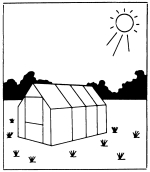
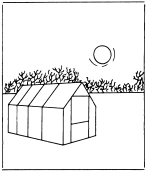
Allgemein sollte ein Gewächshaus so stehen,
dass ein möglichst großer Lichteinfall gewährleistet ist.
Hierbei ist zu beachten, dass keine Baum- oder Hausschatten
auf das Gewächshaus fallen.Soll das Gewächshaus hauptsächlich
im Sommer genutzt werden, stellt man es in Nord-Südrichtung auf.
Wenn man das Haus auch im Winter nutzen möchte,
empfiehlt es sich, der günstigeren Belichtung wegen,
das Gewächshaus in Ost-Westrichtung aufzustellen.
|
 |
|
|
 |
Fundament
Beheizte Gewächshäuser benötigen ein festes Fundament. Lange Zeit galten 50-80 cm tief einbetonierte oder gemauerte Streifenfundamente als unverzichtbar, um das Erdreich bis zur Frostgrenze gegen die Umwelt abzuschirmen. Diese Mauern können jedoch nur schwer wieder entfernt werden - wenn z. B. das Gewächshaus versetzt werden muss. Außerdem nimmt die biologische Aktivität des Bodens in so einem gärtnerischen Hochsicherheitstrakt mit den Jahren ab, wenn das Erdreich nicht ständig mit Kompost belebt wird.
Bei gängigen Hobby-Gewächshäusern sollten Sie deshalb Fundamente aus handelsüblichen Wegeplatten von 50x50 cm bevorzugen. Darauf werden die fertigen Fundamentrahmen montiert, wie sie zur Standardausstattung vieler
Gewächshäuser angeboten werden.
|
|
|
 |
Welche Verglasungsart ist zu empfehlen?
Als Verglasung für ein Gewächshaus sind Hohlkammer-Platten (auch Stegplatten oder Doppelstegplatten genannt) aus Polykarbonat (PC) empfehlenswerter als Glas: Hohlkammer-Platten sind 200 mal bruchfester als Glas und besser isolierend. Eine Plattenstärke von 6 mm reicht vollkommen aus. Denn die meiste Kälte dringt über die Aluminium-Profile, vom Boden oder durch undichte Stellen ins Gewächshaus ein, dagegen hilft auch keine 16 mm Hohlkammer-Platte. Beim Kauf sollten Sie jedoch unbedingt auf eine "Longlife-Beschichtung" achten, die gegen Vergilben und Verspröden beschichtet ist.
|
|
|
 
|
Die Belüftung!
Pflanzen im Gewächshaus brauchen regelmäßigen Luftaustausch für gesundes Wachstum. Mehrere Dachfenster in Kombination mit Lamellenfenstern sollten daher unbedingt vorhanden sein oder nachträglich eingebaut werden können. So kann warme Luft aus dem Gibelbereich entweichen und kühlere Luft durch die Lamellenfenster nachströmen.
|
|
|
 |
Beheizen eines Gewächshauses
Wenn Ihre Kübelpflanzen den Winter im Gewächshaus verbringen sollen, dann darf dort auch in kalten Nächten kein Frost herrschen. Für ein kleines Gewächshaus reicht dazu eine elektrische Rippenrohrheizung, bei größeren Häusern ab 7,5 m² sorgt ein Elektro-Umluftsystem für Wärme. Der dafür benötigte Stromanschluss sollte ohnehin in jedes Gewächshaus gelegt werden. Über einen Thermostaten mit Temperaturfühler schaltet sich die Gewächshausheizung im richtigen Moment ein oder aus.
Eine Alternative sind Propan-Gasheizungen. Moderne Geräte mit Katalysatorbrenner haben einen Wirkungsgrad von ca. 99 % und können eine Überlegung wert sein. Einfacher zu handhaben und wirtschaftlicher sind jedoch Elektro-Umluftheizungen, da diese für eine Rundumbeheizung sorgen.
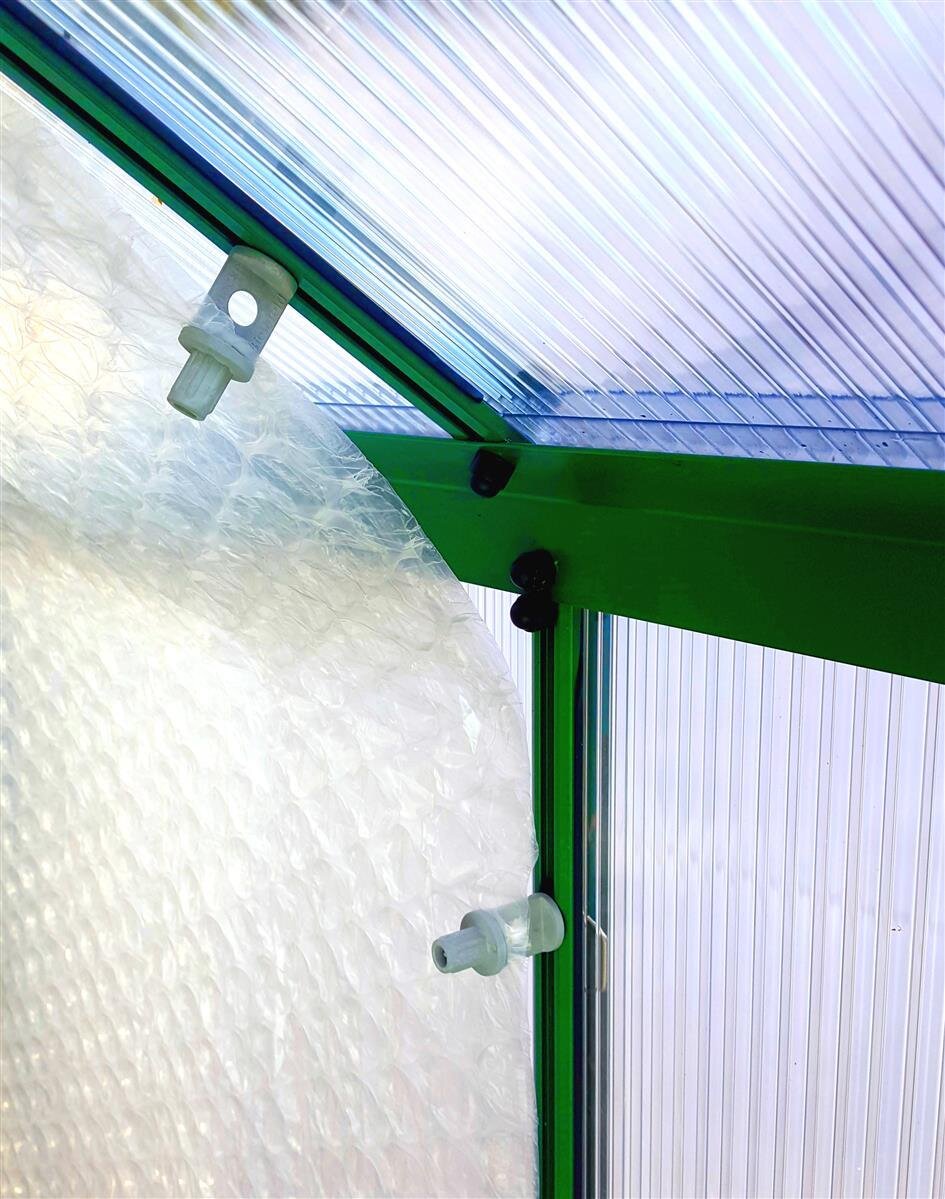
Tipp: Teilen Sie im Winter unbenutzte Bereiche im Gewächshaus mit Luftpolsterfolie ab.So brauchen Sie nur den wichtigen Bereich zu heizen.
|
|
|
|
 |
Gewächshaus Isolierung
Um Pflanzen vorzuziehen und spät im Herbst noch ernten zu können, benötigen Sie häufig keine Gewächshausheizung. Eine isolierende Luftpolsterfolie, die Sie Ende Oktober anbringen und Ende April/Anfang Mai entfernen, reicht. Möchten Sie auf Nummer sicher gehen, kaufen Sie eine Umluftheizung mit Thermostat als Frostwächter. Damit können Sie die kritische Zeit im Frühjahr und Herbst überbrücken.
|
|
|
|

Das Gewächshaus in der Hausratversicherung
In Anbetracht des Klimawandels ist es unbedingt geboten, das Gewächshaus zu versichern. Oftmals ist ein Gewächshaus durch die Hausratversicherung schon mitversichert. Ein Anruf bei Ihrem Versicherungsvertreter kann die Sachlage schnell klären.
Weiteres Zubehör für das Gewächshaus und den Garten finden Sie hier!
|
Mit freundlichen Grüßen aus Bielefeld
Ihr Hunecke-Team
|
|
